





If you’re starting an online business, especially selling handmade goods, jewelry, or custom products, one of the first big decisions you’ll face is choosing between Shopify and Etsy. On the surface they can look similar because both let you sell products online, but they actually work in very different ways, and understanding that difference can save you a lot of frustration later.
Etsy is a marketplace. When you open an Etsy shop, you’re basically setting up a booth inside a giant digital mall. Etsy already has millions of shoppers browsing every day, searching for things like handmade jewelry, gifts, and vintage items. Because of that, it’s much easier to get views early on. Etsy’s algorithm helps surface your listings based on keywords, pricing, reviews, and activity, and sometimes you’ll get sales without doing much marketing at all. That’s why so many people say Etsy is easier to get started with, and honestly, they’re not wrong.
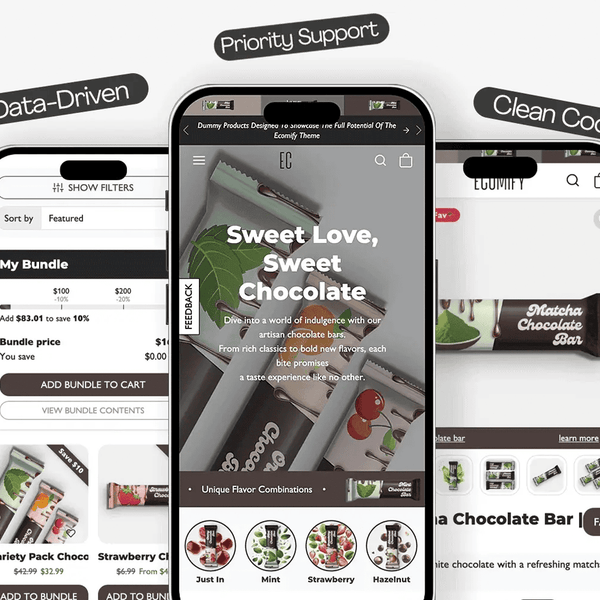
Shopify is different. Shopify is not a marketplace, it’s your own standalone website. When you create a Shopify store, you’re building your own brand from scratch. There is no built in audience. Google, social media, email marketing, and word of mouth are what bring people to your site. This is where many sellers get stuck, because they expect Shopify to behave like Etsy and it just doesn’t. Shopify gives you full control, but it also gives you full responsibility for traffic.
One big difference between Shopify and Etsy is branding. On Etsy, your shop lives inside Etsy’s ecosystem. Your listings compete directly with other sellers on the same page, and customers often remember Etsy more than your brand. On Shopify, everything is yours. Your domain name, your checkout, your customer emails, your design. Over time this makes a huge difference if you want repeat customers and long term growth.
Fees are another area where people notice a shift. Etsy charges listing fees, transaction fees, and takes a cut of each sale. Shopify has a monthly subscription, but you generally have more control over costs as you scale. A lot of sellers feel Etsy fees hurt more once they start doing real volume, while Shopify starts to make more sense financially as sales grow.
From an SEO perspective, Etsy and Shopify work very differently. Etsy listings often rank on Google because Etsy as a platform has massive authority. Your individual Etsy shop benefits from that. With Shopify, Google has to learn who you are. That means writing clear product titles, strong descriptions, helpful collection pages, and sometimes blog content. It takes longer, but the upside is that once your Shopify store ranks, that traffic is truly yours.
Many successful sellers don’t actually choose one or the other. They use both. Etsy becomes the discovery channel where new customers find them, and Shopify becomes the brand home where repeat customers shop, join email lists, and buy without marketplace competition. This approach gives you the best of both worlds while reducing risk.
So which is better, Shopify or Etsy? It really depends on your goals. If you want fast exposure and don’t mind playing inside someone else’s rules, Etsy is a great place to start. If you want control, branding, and long term growth, Shopify is hard to beat. Neither platform is wrong, they’re just built for different stages of business.
If you’re serious about growing beyond a hobby and building something that lasts, many sellers eventually find themselves migrating from Etsy to Shopify, or at least adding Shopify into the mix. And honestly, that’s usually when things start to feel more real.



 5/5 from 144 reviews